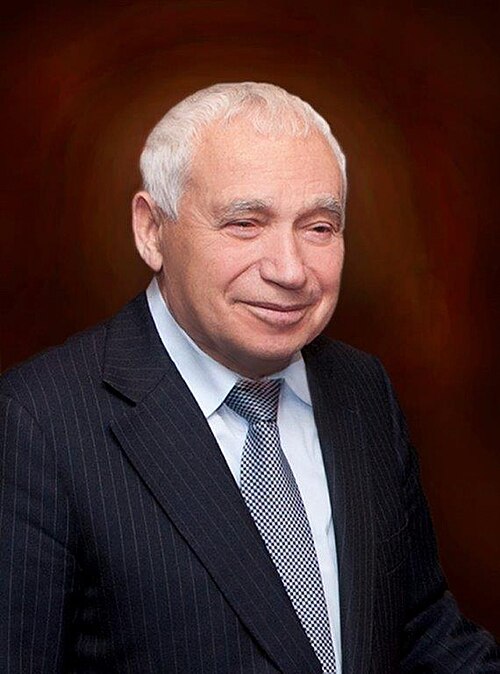
OFFICES OF STATE
Terms of office
- President — Elected by the Grand National Assembly
- President — Term following direct election
Philosophy, dissent and Fascism
Zhelyu Zhelev trained as a philosopher. His path into politics passed through the conflict between intellectual inquiry and ideological control in socialist Bulgaria. Fascism, published in 1982 after earlier work on the manuscript, was withdrawn from circulation. His study of the totalitarian state became his best-known work and an important reference point for understanding his public position.
From civic initiatives to the UDF
In the late 1980s Zhelev took part in organised public dissent. He was associated with the Club for the Support of Glasnost and Perestroika and became a founder and the first chairman of the Union of Democratic Forces. The philosopher and author thus became a political intermediary between opposition groups united by the demand for democratisation.
The elections of 1990 and 1992
The Grand National Assembly elected Zhelev president on 1 August 1990. Following the adoption of the 1991 Constitution, he won the first direct presidential election in January 1992, with Blaga Dimitrova as vice-president. The first election was a parliamentary choice during the transition; the second provided a popular mandate under the new constitution.
Establishing the presidency
Zhelev served during years of changing governments, economic difficulties and the construction of new rules of political representation. The presidency had to establish itself as a distinct institution within a parliamentary republic. Its role included representation of the state and participation in constitutional arrangements for forming governments, while the prime minister directed the cabinet’s general policy.
Intellectual and political legacy
His term ended in January 1997. The combination of philosophical writing, opposition activity and presidential service distinguishes Zhelev from leaders with predominantly administrative careers. Further reading should place his biography alongside his books, including Fascism, and the records of the early democratic transition. Together they also reveal the difference between an author’s personal ideas and the constraints of public office.
Sources and documents
References accompany each section. Speeches and reports by political figures also reflect their own perspective.
- Atlantic Club · biography and works of Zhelyu Zhelev (PDF) ↗www.atlantic-bg.org
- Presidency · Zhelyu Zhelev ↗m.president.bg
- Presidency · institutional history ↗www.president.bg
- National Assembly · Constitution of Bulgaria ↗www.parliament.bg
Reference data last reviewed: . End dates in the timeline indicate the handover of office.
Portrait credit
Unknown authorUnknown author · Original · Public domain
