Revolutionary Hristo Chernopeev

Revolutionary Hristo Chernopeev
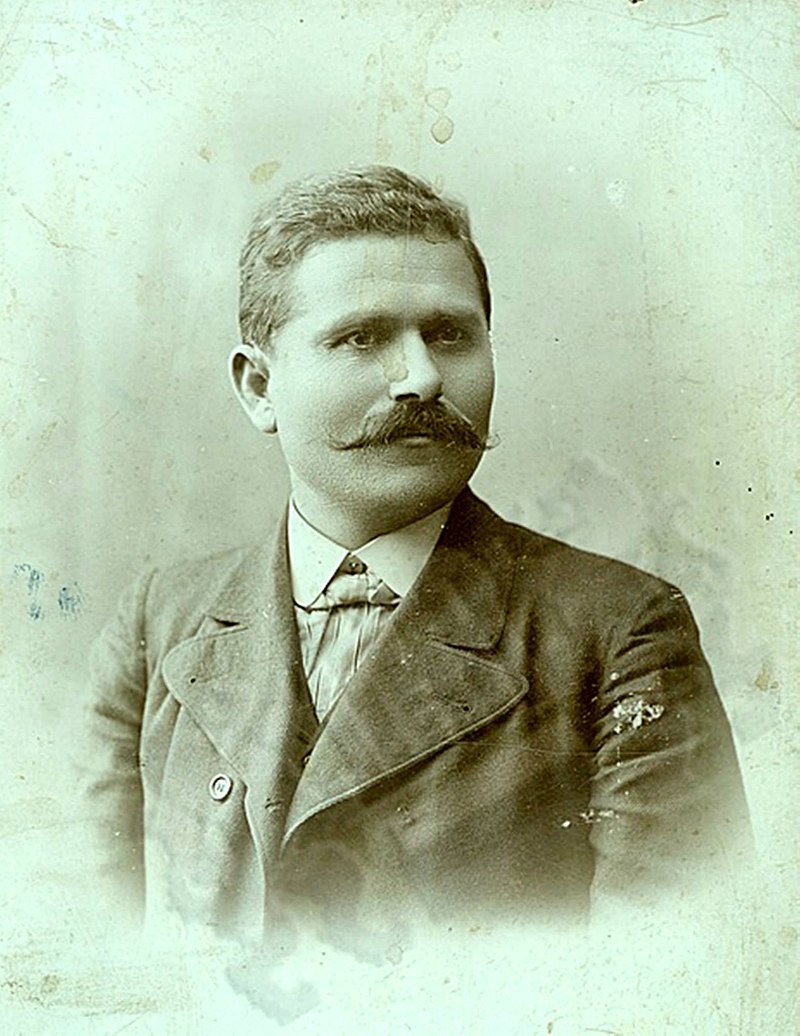
Hristo Chernopeev
Chernyo Peev, called Hristo Chernopeev, was born in 1868 in the village of Dermantsi in the Lovech district. He was a Bulgarian army captain and an active figure in the national liberation movement in Macedonia and the Adrianople region. He is known as a leader of the Strumitsa District of the Internal Macedonian-Adrianople Revolutionary Organisation (IMARO).
In his early years Chernyo Peev completed the third class of lower secondary school in Pleven and chose military service. He served in the Bulgarian army and became a non-commissioned officer and sergeant major in the 15th Lom Regiment in Belogradchik. Attracted by the ideas of the Macedonian-Adrianople liberation movement, he participated in establishing the Secret Officers' Brotherhood in Belogradchik.
In 1899 Chernopeev left military service and arrived in Thessaloniki, where he trained in Mihail Apostolov-Popeto's detachment. In 1900 he became a member of IMARO and led his own detachment in the Kukush district, training members of the organisation and supporting the establishment of village committees.
In February 1901 Chernopeev's detachment fought its first major battle against Ottoman units near the village of Bayaltsi. He also participated in the Miss Stone affair in the Pirin Mountains in 1901.
During the Ilinden-Preobrazhenie Uprising in 1903, Chernopeev led his detachment in battles in the Strumitsa and Gorna Dzhumaya districts. After the uprising, in 1903, he returned to Bulgaria.
Chernyo Peev continued to be an active participant in the liberation movement in Macedonia and the Adrianople region, specifically in IMARO's Strumitsa District. He took part in the fighting in September 1903 and returned to Bulgaria after the uprising ended.
Chernopeev is an important historical figure who contributed to the liberation struggle of the Macedonian and Adrianople Bulgarians in the early twentieth century.
Share:


