Winemaking

Winemaking

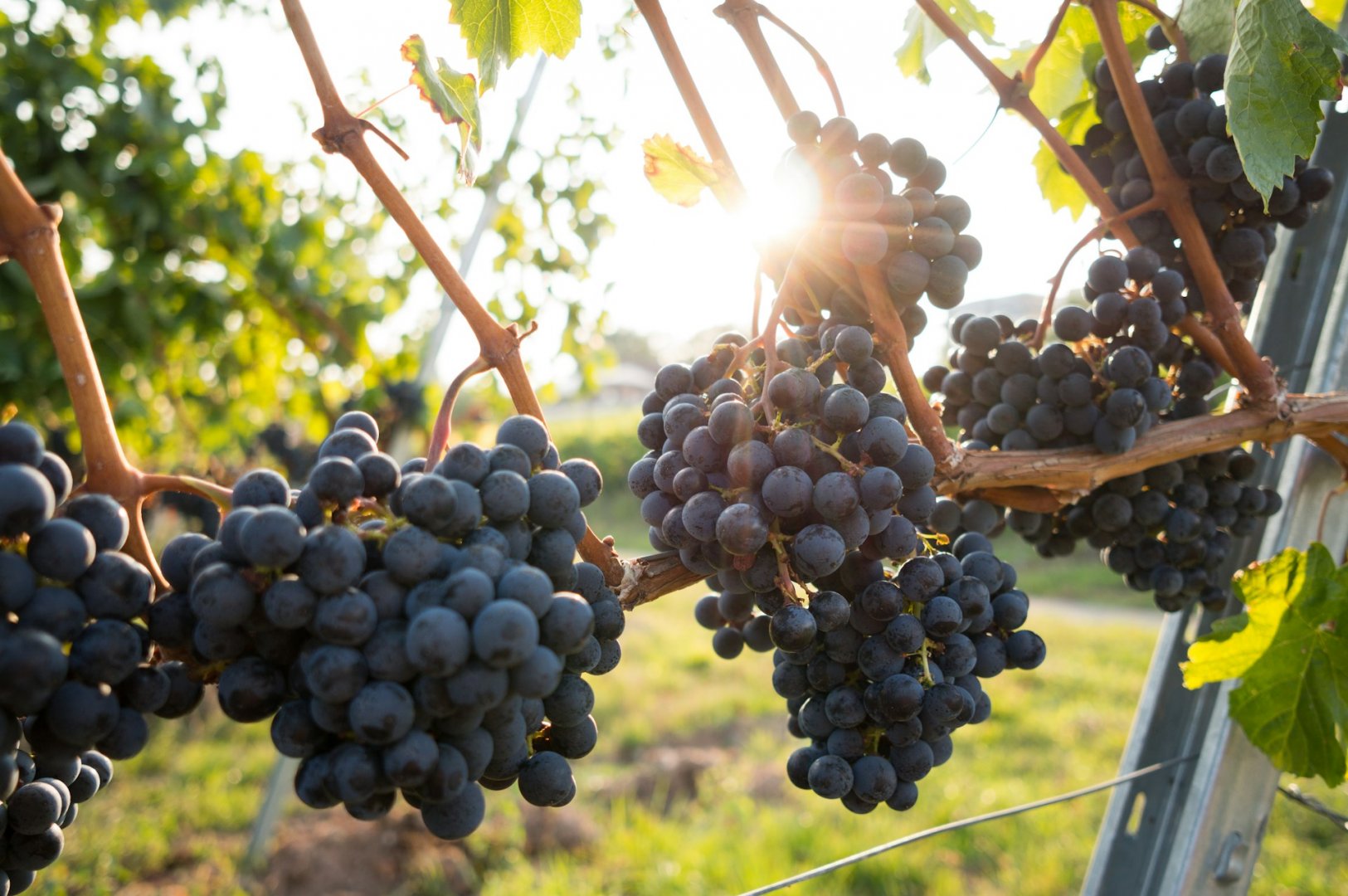
Winemaking
Winemaking traditions and wine culture in the Bulgarian lands have a long history predating the establishment of the Bulgarian state itself in AD 681. Wine was an inseparable part of the daily life and rituals of the ancient Thracians, who inhabited the territory of present-day Bulgaria. With the establishment of the Bulgarian state, these viticultural and winemaking traditions were passed on and preserved by the Bulgarians and Slavs.
During the Christianisation of the Bulgarians, the cult of Dionysus gave way to the veneration of Saint Tryphon and the celebration of Trifon Zarezan. This transition accompanied changes in religious beliefs and customs that influenced attitudes towards wine. Under Ottoman rule in Bulgaria, wine production declined because Islam prohibits alcohol consumption. Nevertheless, the authorities imposed no direct ban, recognising that wine was a major source of revenue for the Bulgarian state. The drink therefore remained part of Bulgarian daily life.
After the Liberation in 1878, winemaking in Bulgaria began to develop rapidly. New technologies and improvements in the wine industry helped raise the quality of Bulgarian wines. This period reaffirmed the importance of wine in Bulgarian culture and the economy. Winemaking traditions were maintained and developed, becoming an integral part of Bulgarian identity.
Share:


