Logging and woodworking

Logging and woodworking


Logging and woodworking
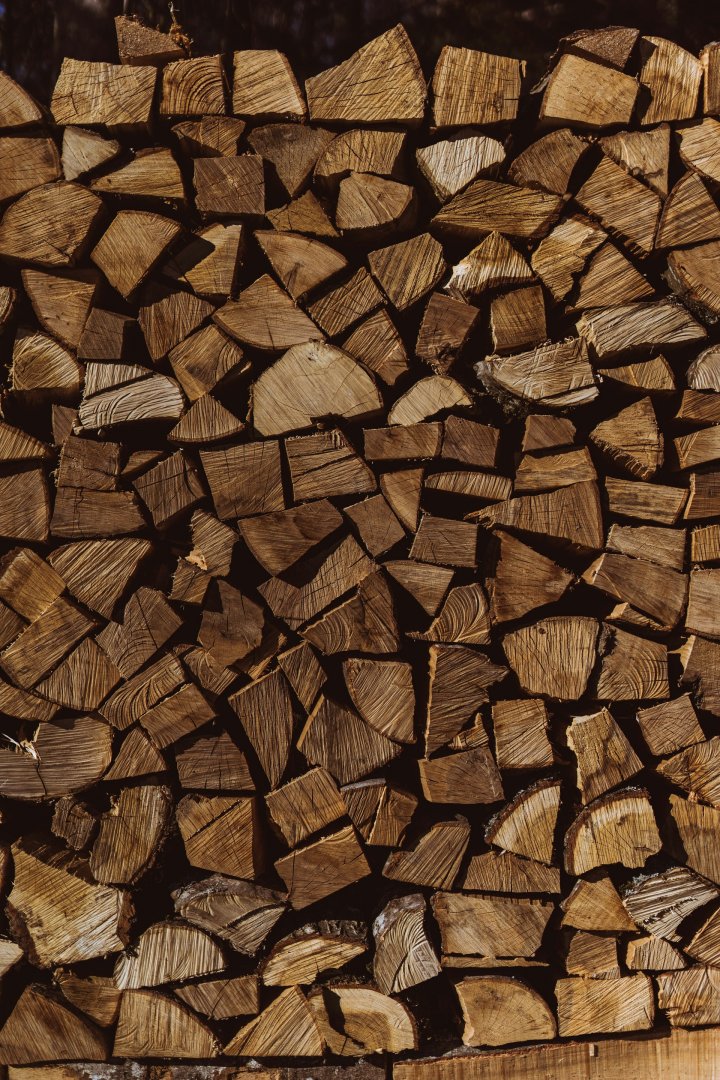
Logging is the process of collecting or extracting timber from managed forests or natural woodland. It involves cutting, felling or pulling out trees, usually to use the wood for various purposes. Logging can be managed and controlled to ensure sustainability and conserve forest resources. Woodworking is the process of turning raw timber into various finished products. It involves a series of stages, including cutting, drying, planing, jointing, gluing and other treatments to produce a range of wooden goods. Woodworking may include the manufacture of furniture, joinery, flooring, structures and other wooden products. Logging and woodworking play an important role in Bulgarian society, supplying materials for construction, furniture production, energy and other aspects of life. However, they must be managed sustainably to conserve forest resources and prevent adverse environmental effects.
In antiquity, logging in Bulgaria was an important activity serving various needs of society. Trees were used to build dwellings and make tools, implements and other essential objects. During the Middle Ages, logging became even more important as the rural population relied on wood fuel for heating and cooking. Master carpenters created beautiful woodcarvings, iconostases and wooden buildings such as churches and houses. During the Bulgarian National Revival, woodcarving and woodworking became arts and crafts of great importance to cultural development. The Pazardzhik architectural style celebrated wood. Under Ottoman rule, many villages developed their skills in working timber. With modernisation and industrialisation in the 19th and early 20th centuries, Bulgaria’s timber-processing industry expanded considerably. Businesses manufacturing furniture and other wooden goods began to emerge. During the Soviet period, woodworking in Bulgaria formed part of the industrial complex. The production of furniture, flooring and wooden structures continued to develop. After the end of communism, many businesses experienced difficulties, but the timber-processing sector remained important to the economy. In recent decades, emphasis has been placed on sustainable forestry and responsible forest management to preserve ecosystems and support sustainable logging. Today, timber processing in Bulgaria combines traditional methods with modern technologies to produce a variety of wooden products, from furniture to timber structures. Forest-resource management is becoming increasingly important in the context of global environmental protection efforts.
Share:


