Kapinovo Monastery “St Nicholas the Wonderworker”

Kapinovo Monastery “St Nicholas the Wonderworker”
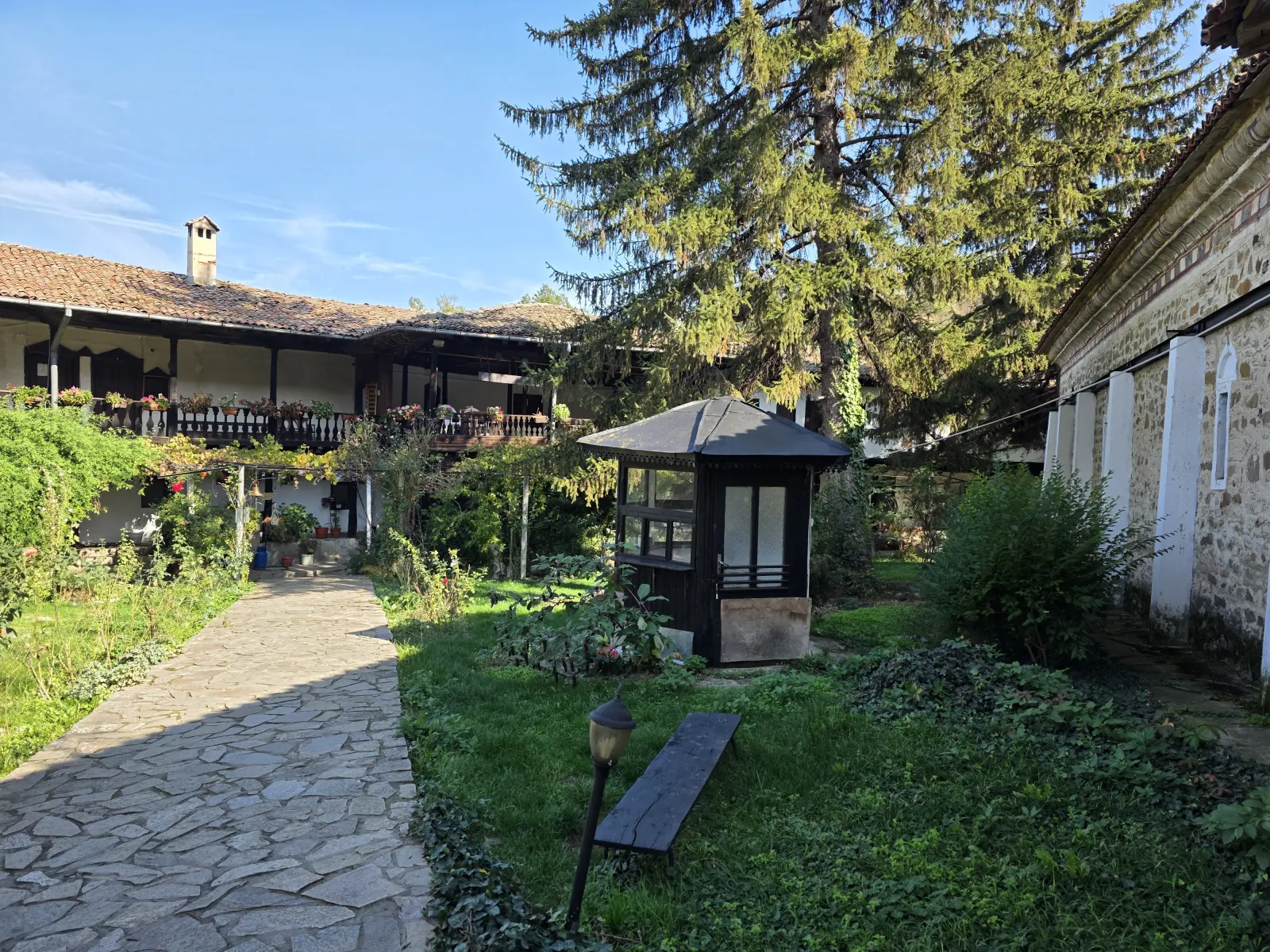
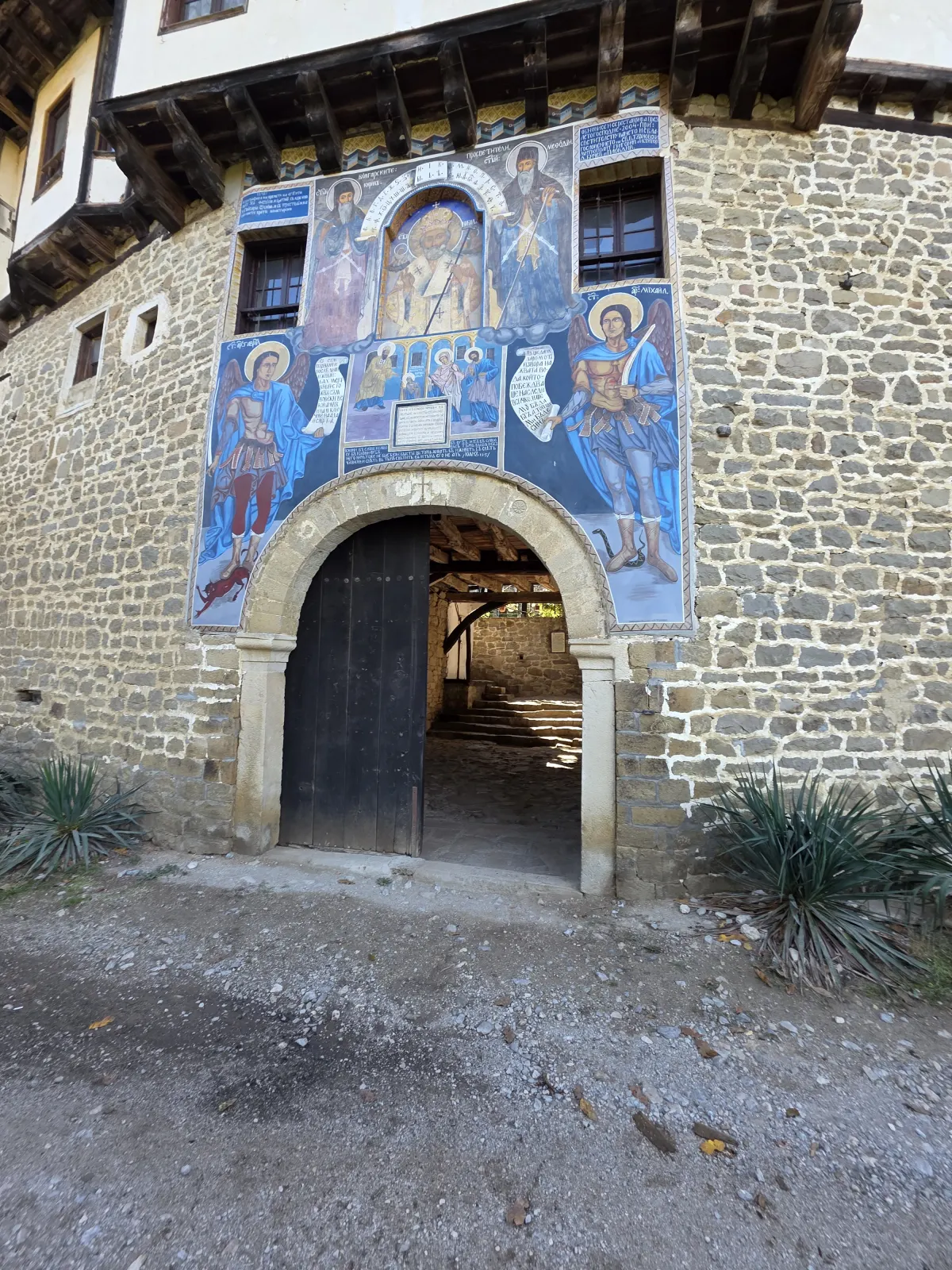
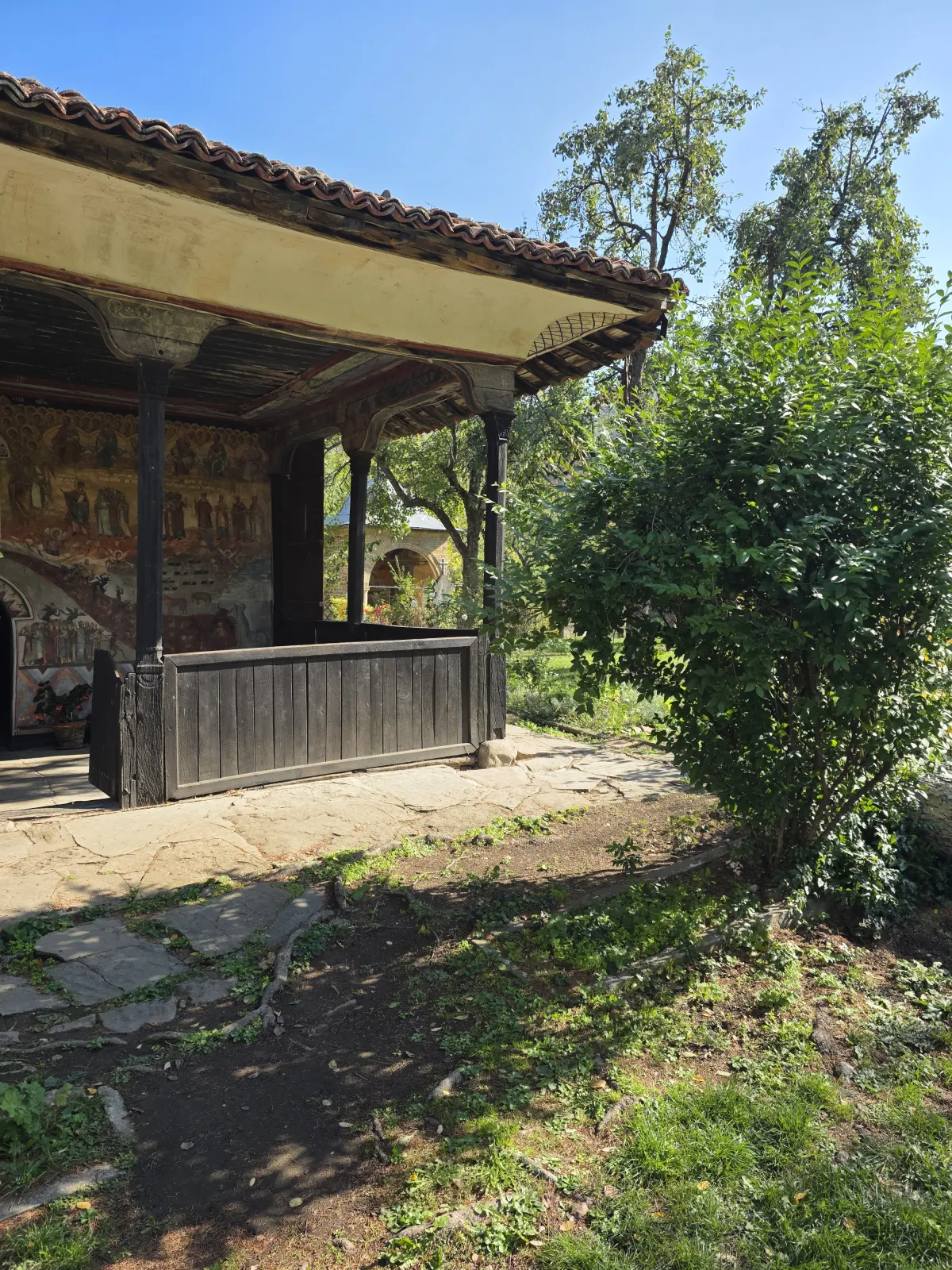
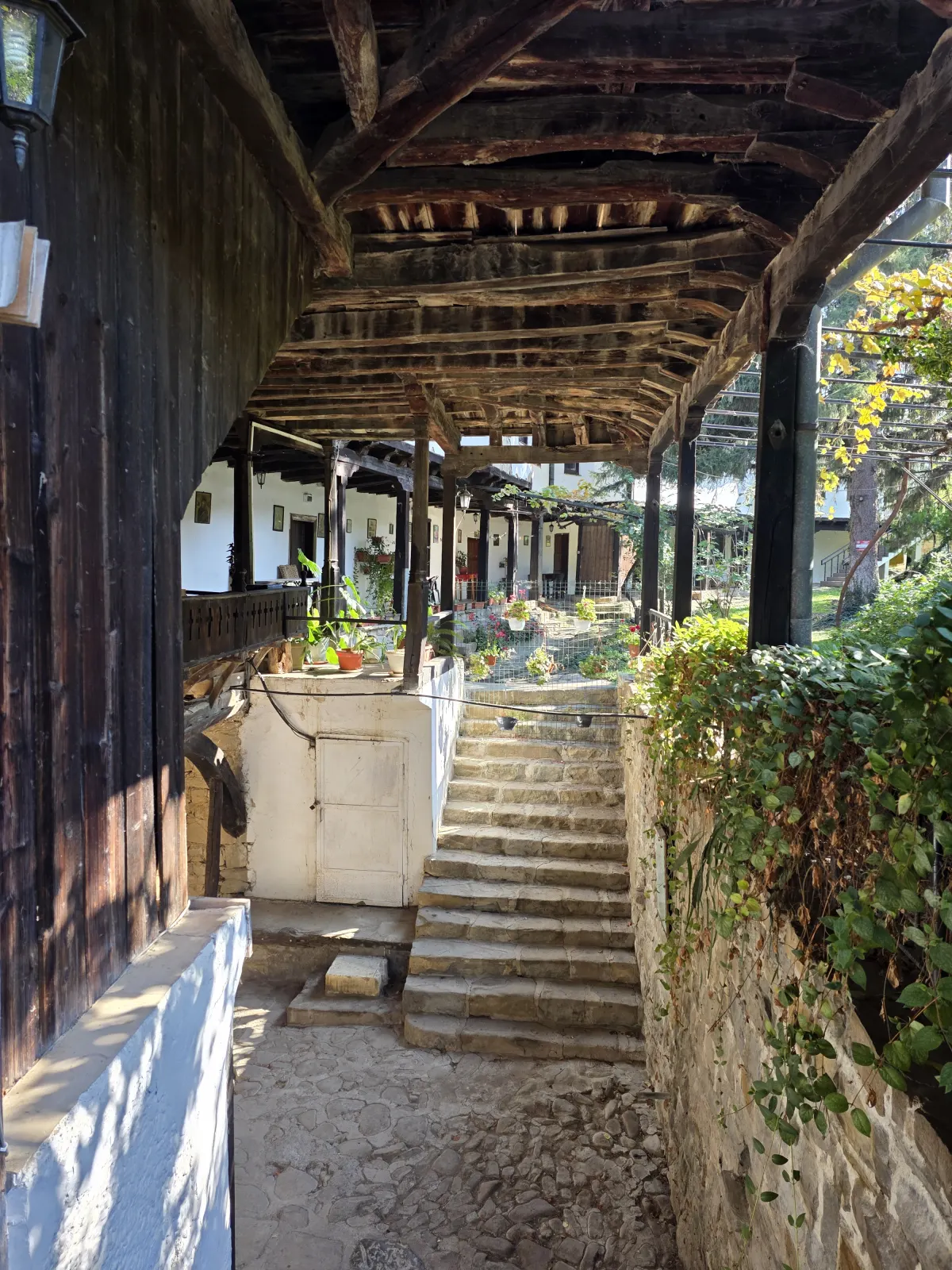
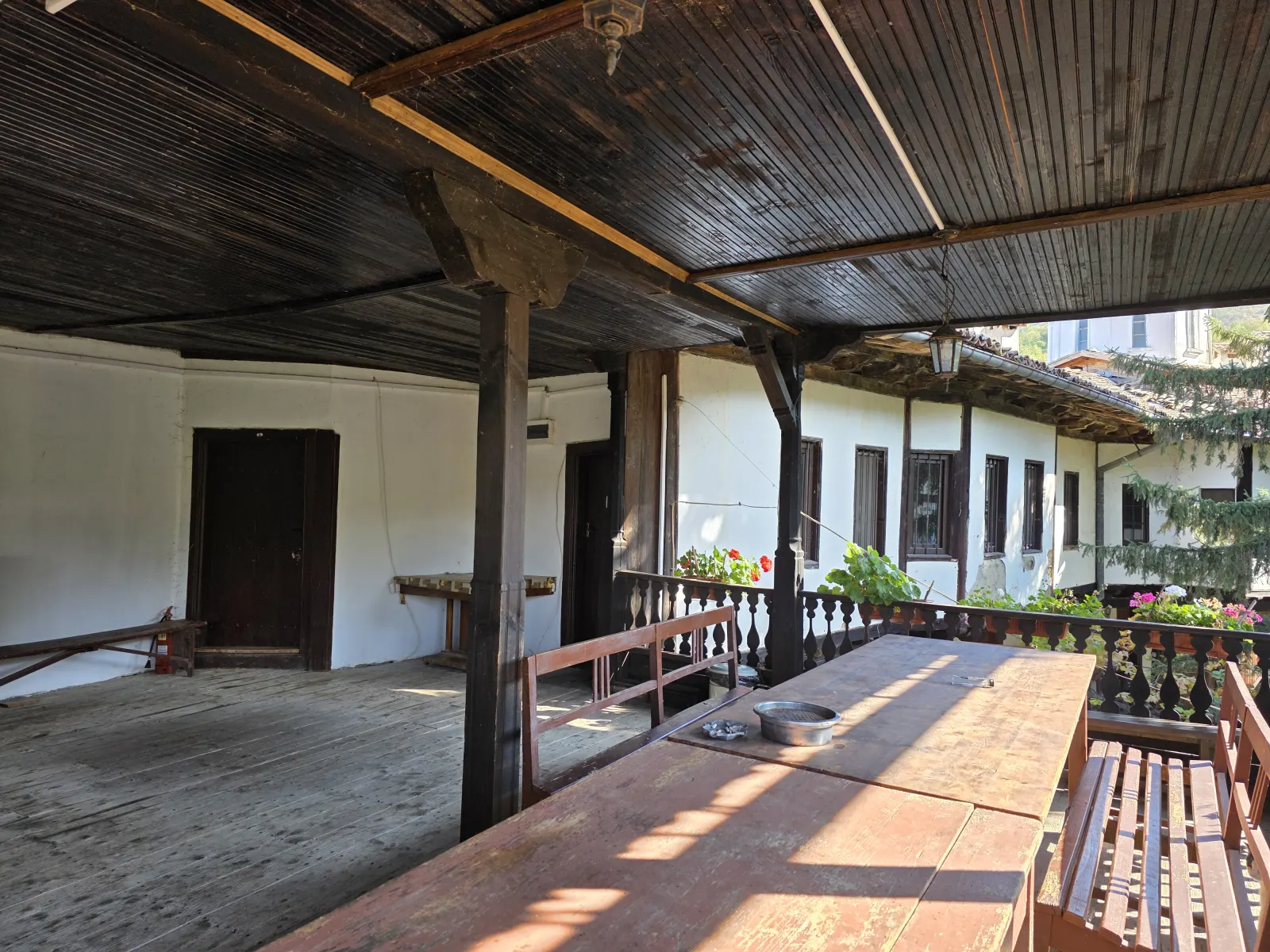
Kapinovo Monastery “St Nicholas the Wonderworker” stands beside the Veselina River, at the foot of the Elena Balkan Mountains, near Veliko Tarnovo. Behind its stone walls are a green courtyard, wooden verandas and a church around which the daily life of the monastery continues. We visited on 25 October 2026 and have brought together a brief history, our impressions and our own photographs.
The monastery’s history
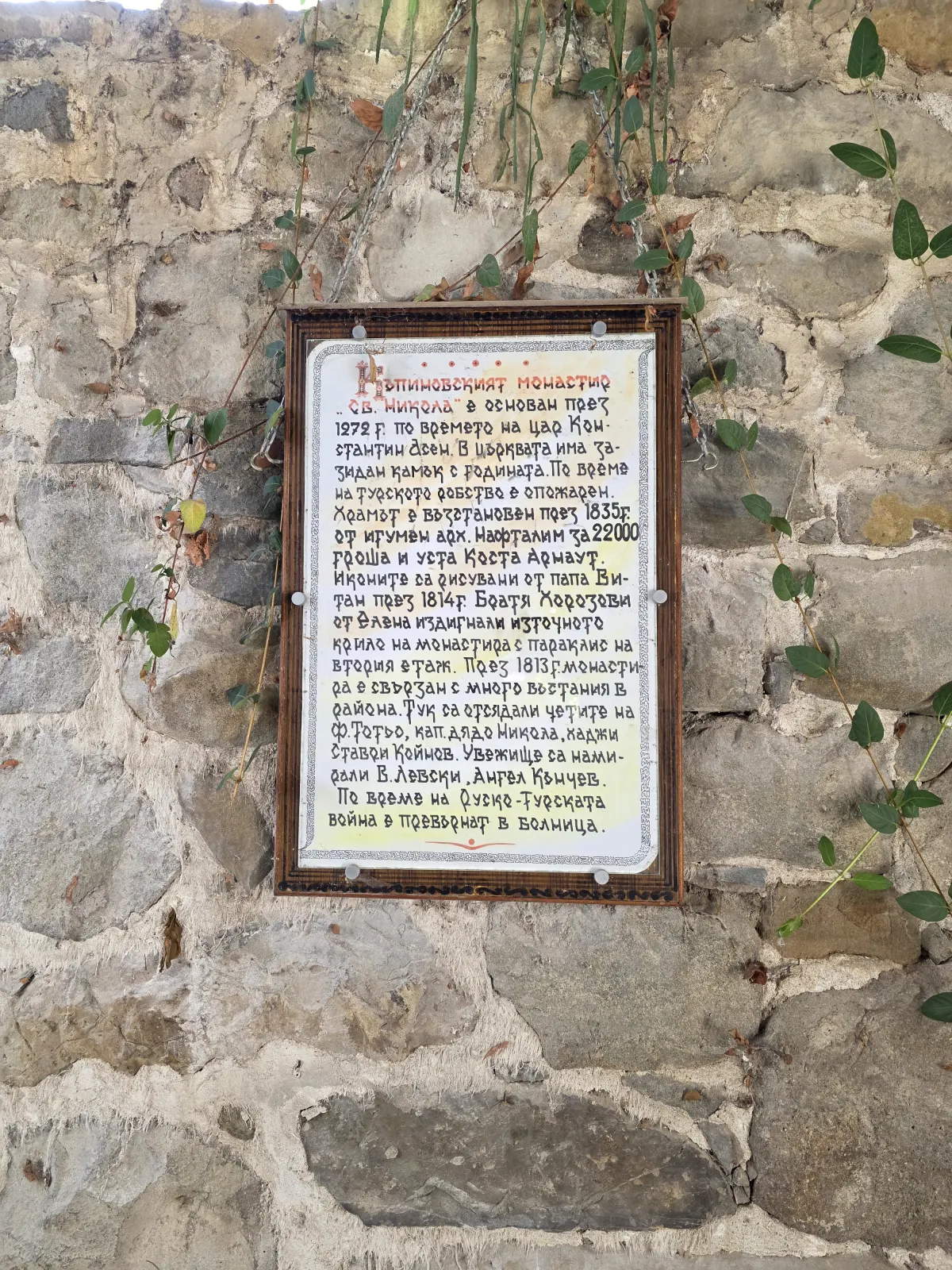
The origins of the monastery are traditionally associated with 1272. Accounts of an inscription on the church’s apse indicate that a church dedicated to the Holy Trinity was built here that year. Veliko Tarnovo Municipality notes that the exact date when the monastery itself was founded is unknown. The medieval church and the buildings standing today therefore represent different stages in the history of the site. Source: Veliko Tarnovo Municipality.
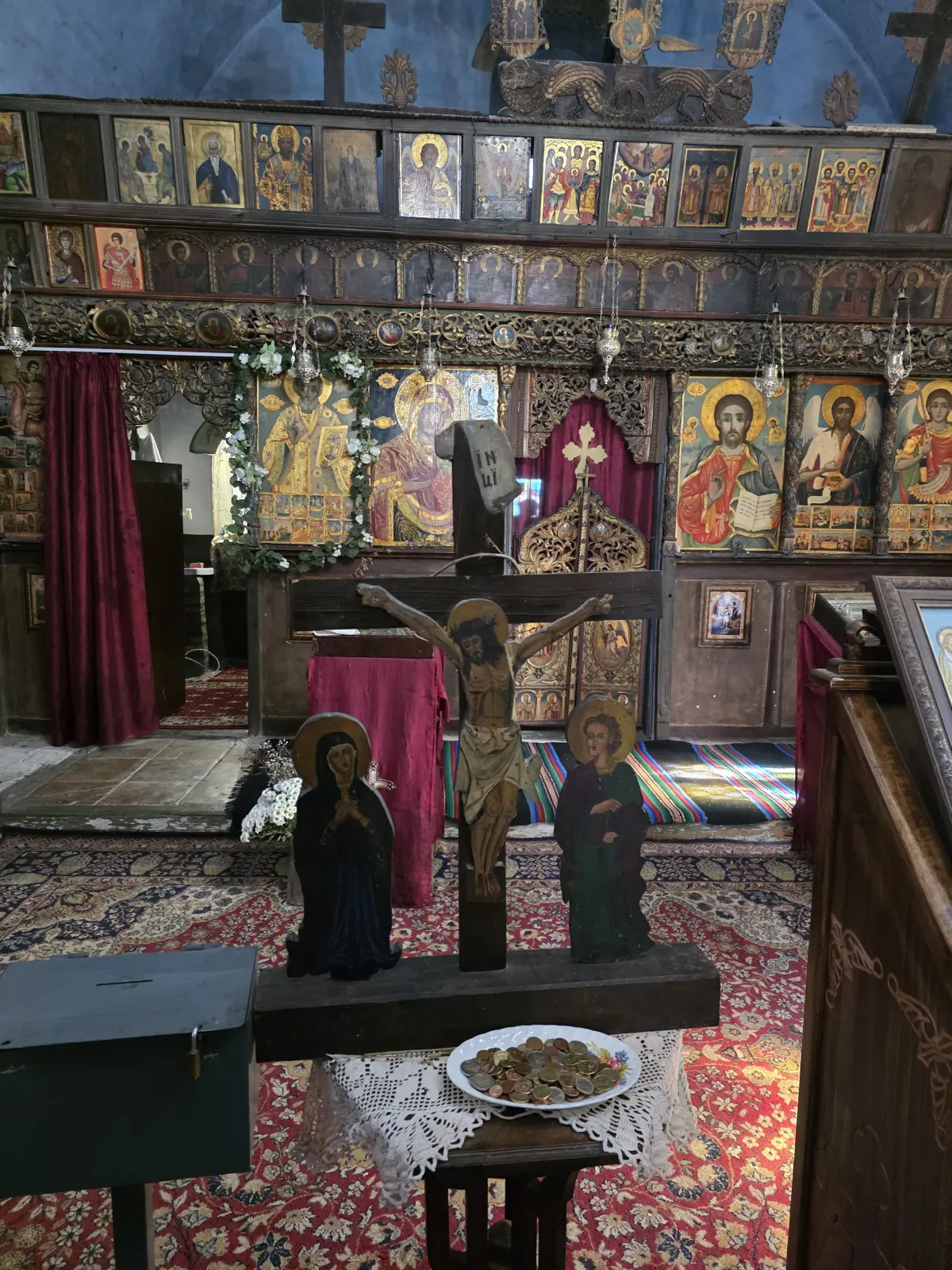
The monastery was burned after the Ottoman conquest of Tarnovo. Local people helped restore it in the late seventeenth century. The present church was built in 1835, while donations from the brothers Teodosiy and Kesariy Horozov of Elena supported the construction of the residential buildings during the nineteenth century. The monastery was also a centre of learning during the Bulgarian National Revival. Source: Veliko Tarnovo Municipality.
Our visit on 25 October 2026
Story and photographs: the History of Bulgaria team.
Our first impression was of a clean, well-kept place. The stone paths, greenery and flowers along the verandas made for a peaceful walk. The wooden structures and buildings show their age, but the care taken to maintain the monastery is also evident.
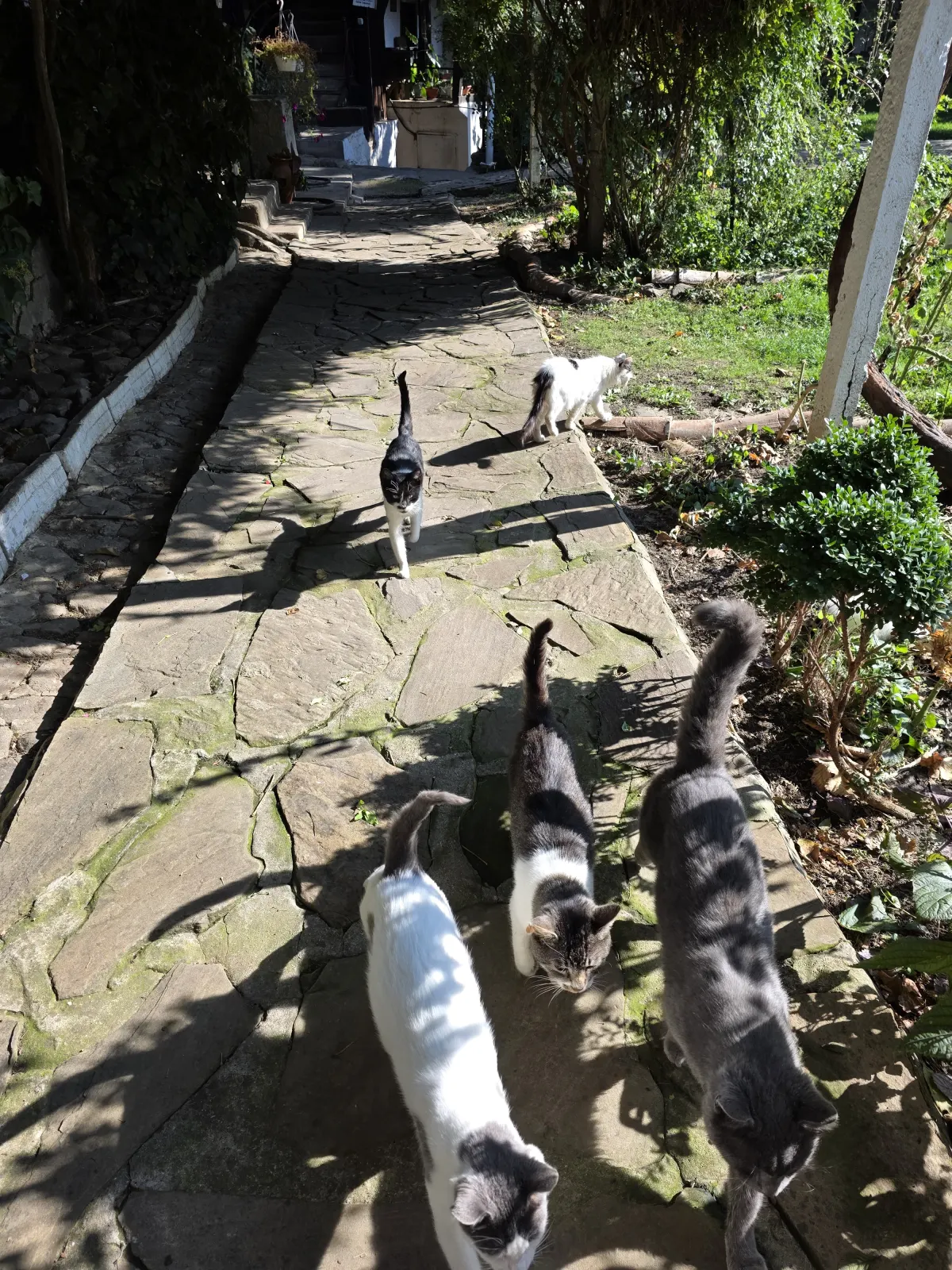
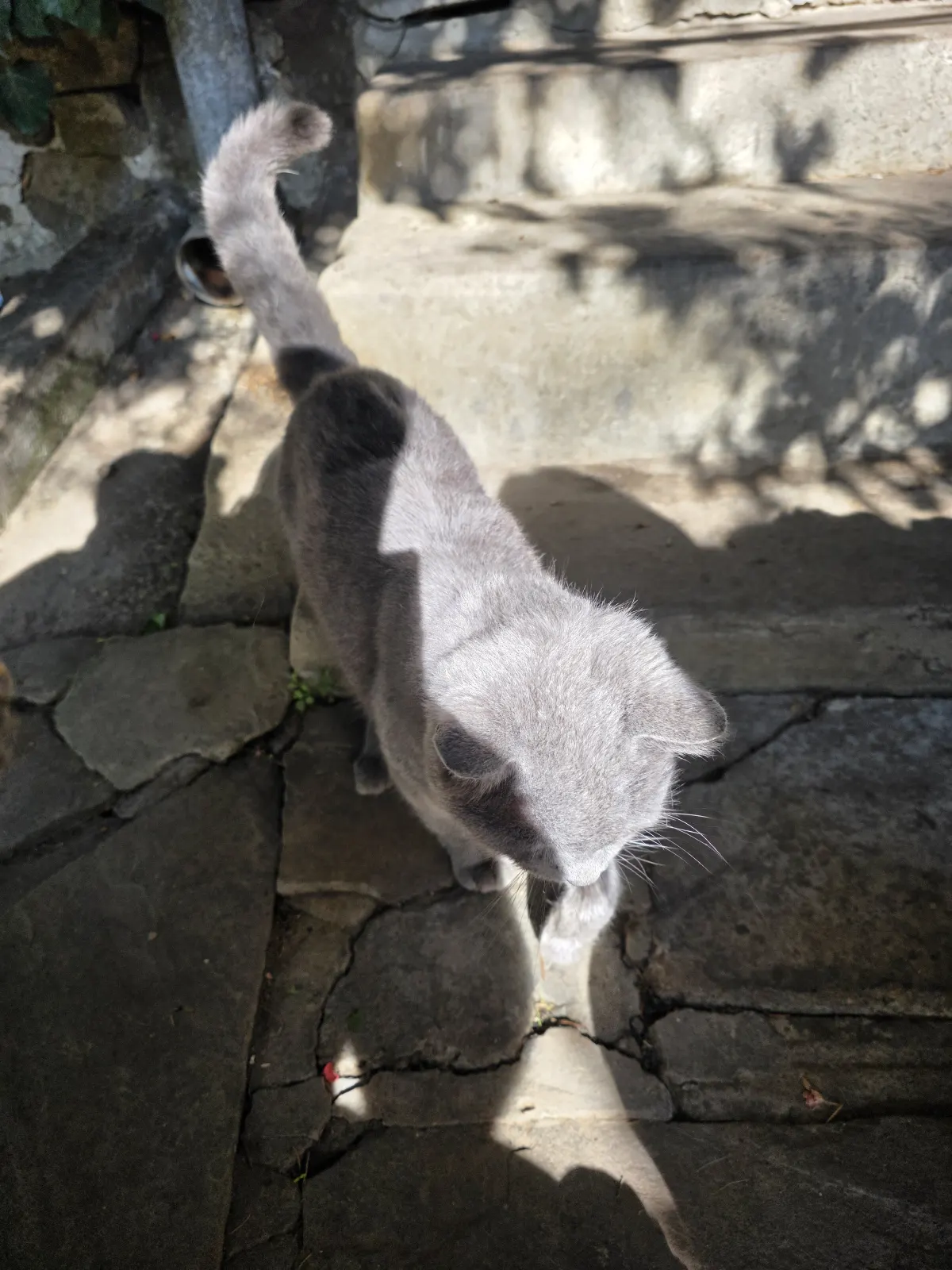
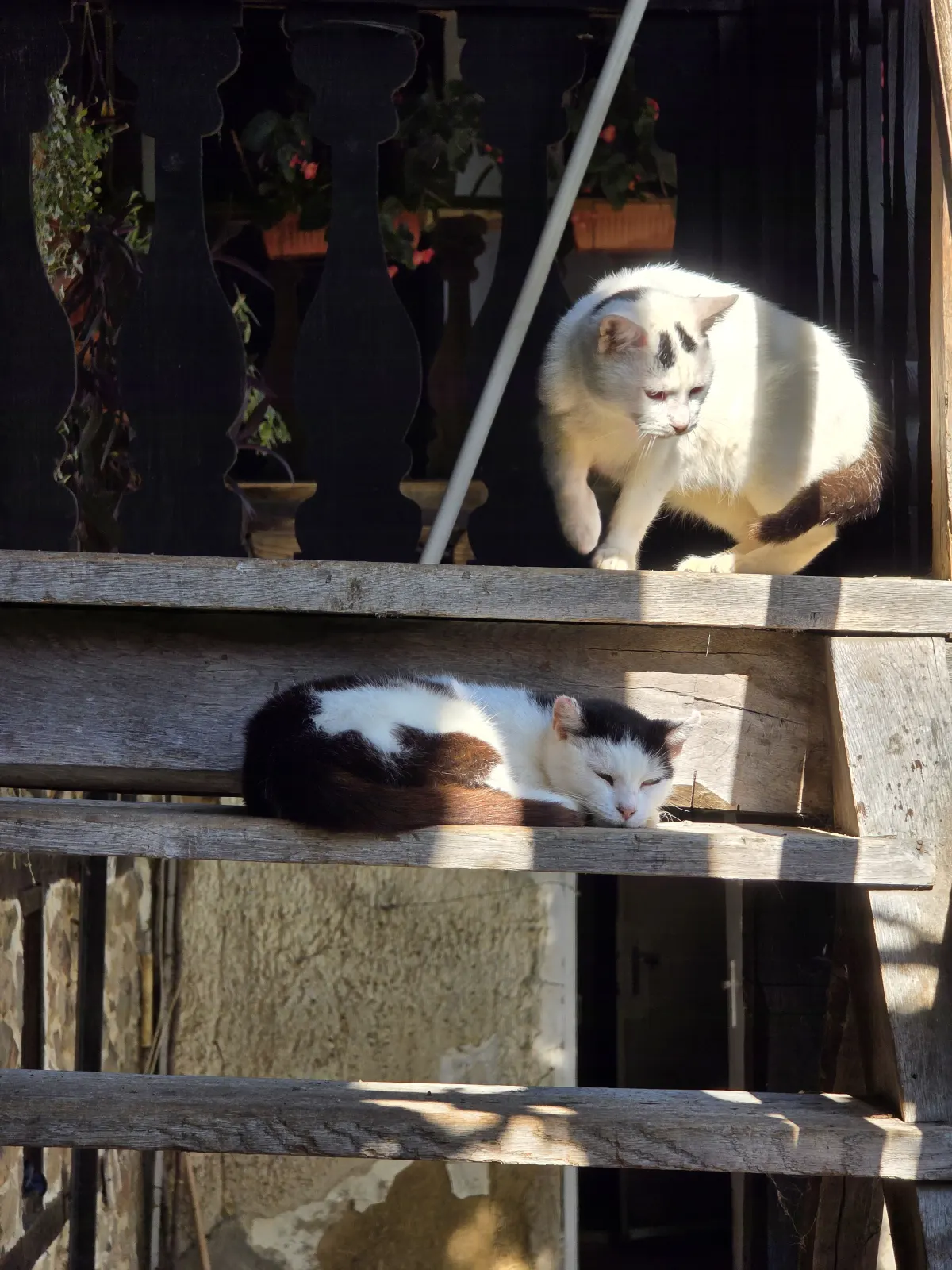
Among its most memorable residents were the many cats. We encountered them on the paths and steps, and some came right up to us without hesitation. Our gallery includes these little moments of life in the courtyard.
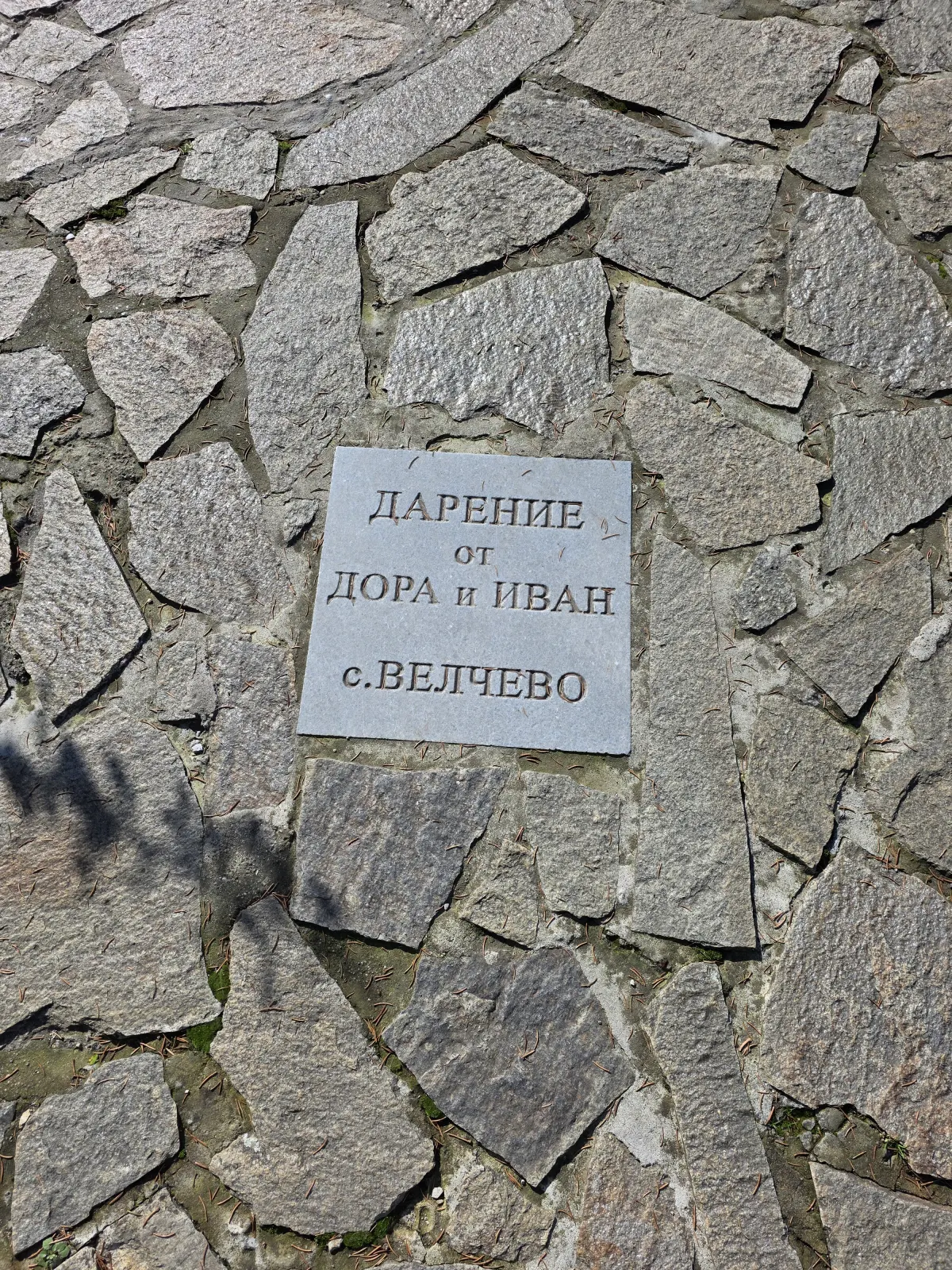
We also noticed plaques set into the paving, acknowledging donations. One photograph shows a plaque recording a donation from Dora and Ivan of the village of Velchevo. Details like these are reminders that individuals also contribute to the upkeep of the monastery.
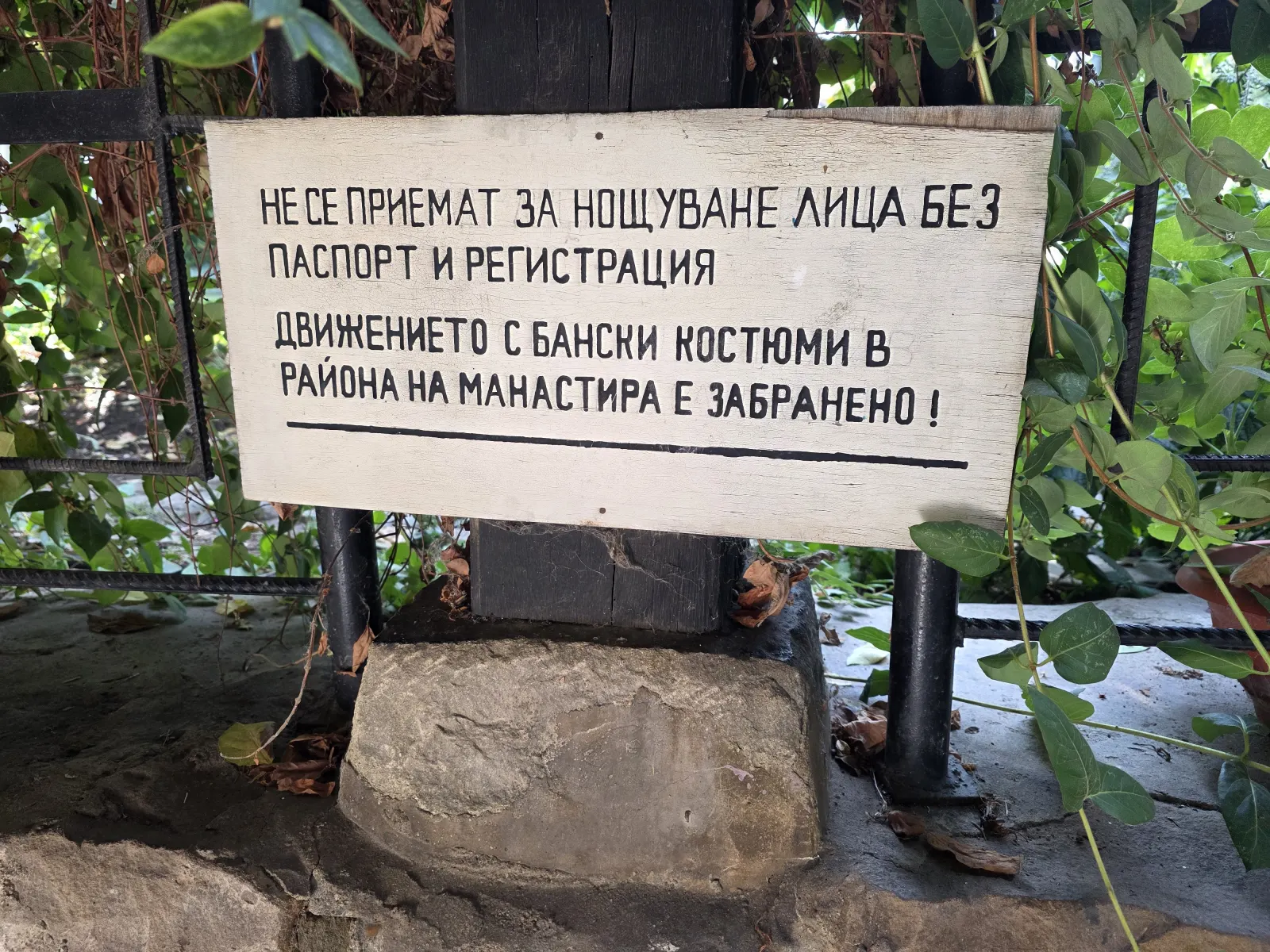
A sign explaining the rules for visitors caught our attention: a passport and registration are required for overnight stays, and walking around the monastery grounds in swimwear is prohibited. This reflects the wording of the sign photographed on the day of our visit; the document requirement concerns overnight accommodation.
In our view, the main building needs repairs. We had the same impression of the toilets, which were freely accessible during our visit. These are our personal observations from that particular day. Our overall impression of the monastery was positive: it looked cared for, despite the visible need for further work.
We have a particularly warm memory of the priest who passed us as we were walking around. He was cheerful and smiling, and greeted us before we had a chance to greet him. That brief, friendly gesture made a very good impression and was one of the nicest moments of our visit.
Our photo gallery
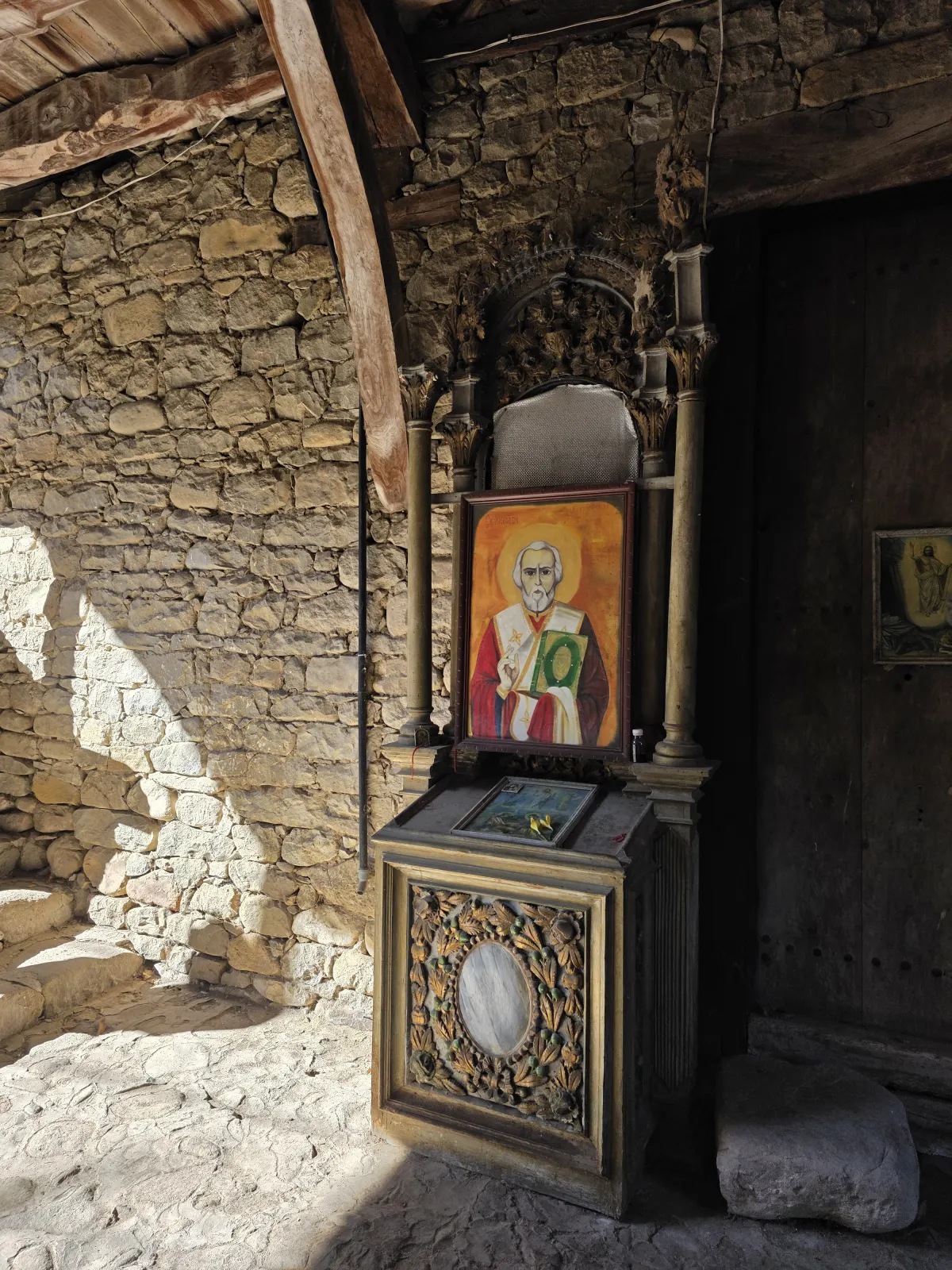
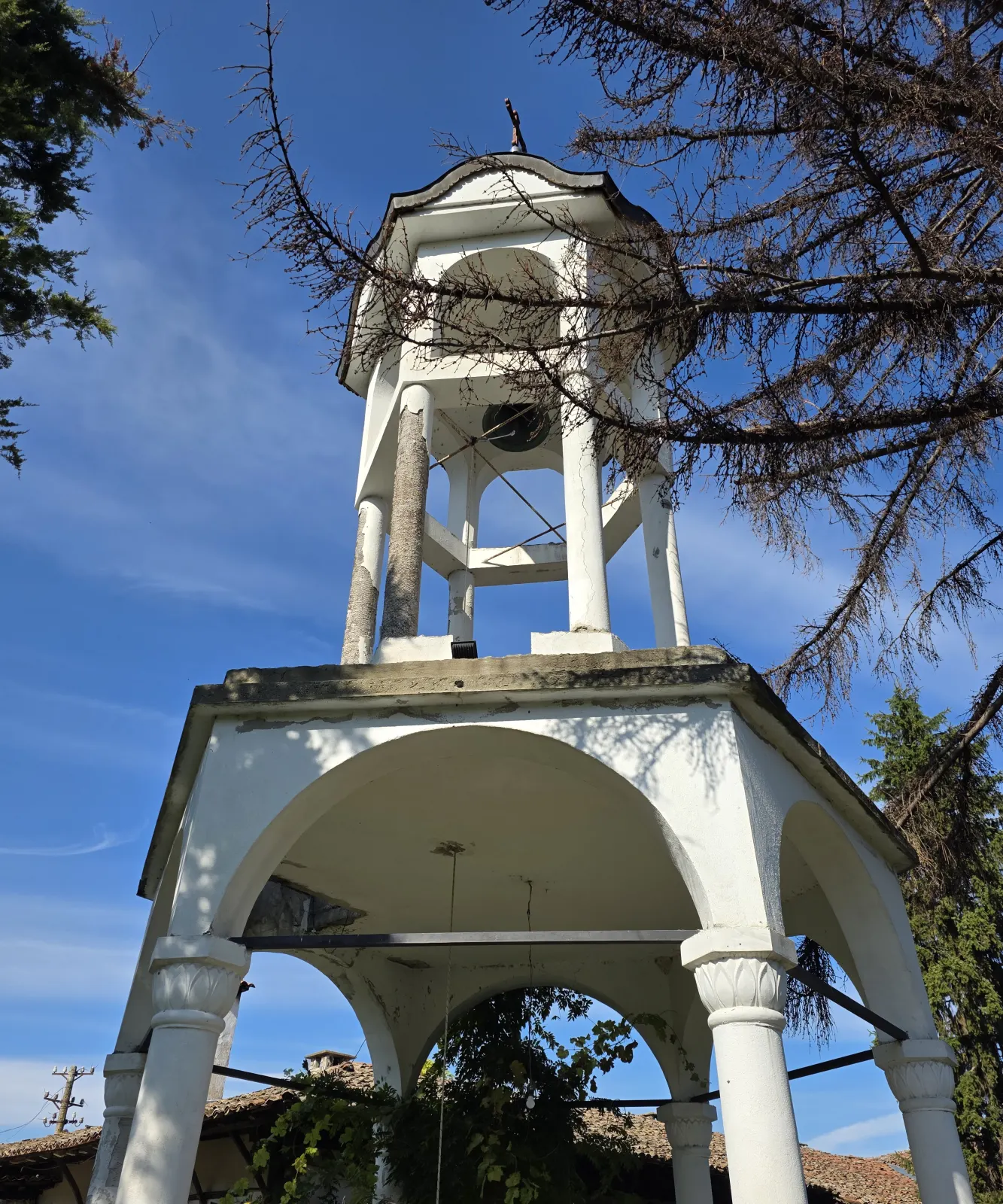
The photographs were taken on 25 October 2026 by the History of Bulgaria team. The gallery contains 14 photographs with no visitors visible, showing the architecture, church details, courtyard, inscriptions, cats and bell tower. The bottom of the bell tower photograph has been cropped to keep visitors out of the frame.
Beside the Veselina River, near Veliko Tarnovo, 1272 — evidence of an earlier church; present church: 1835
Share:


