Weaving

Weaving
Weaving
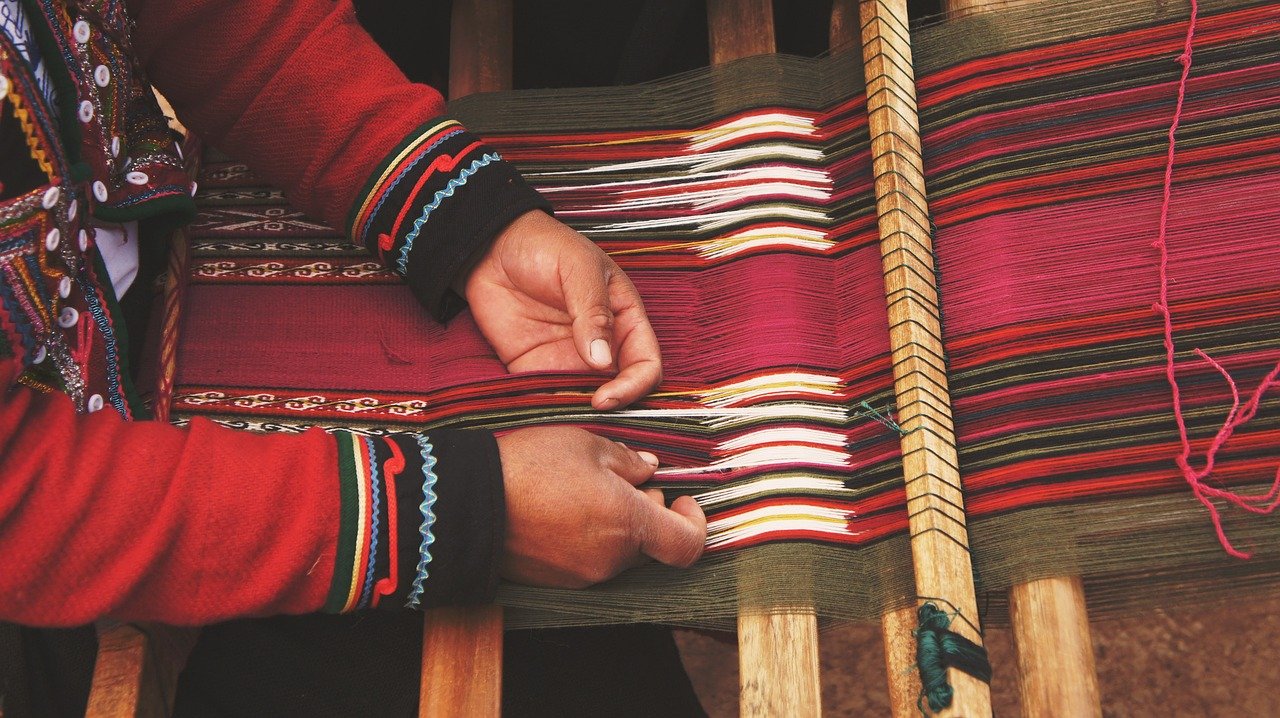
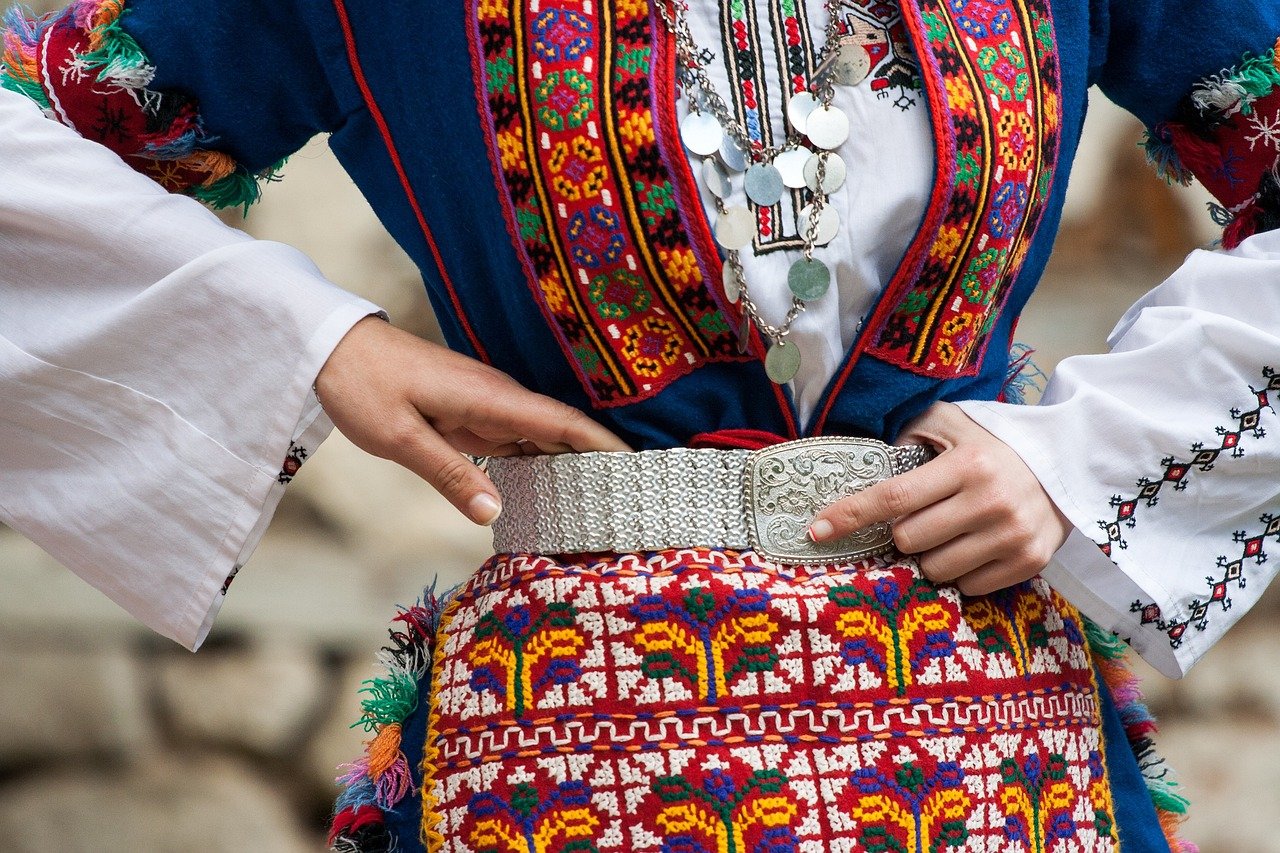
Weaving is a traditional Bulgarian craft practised throughout many historical periods and remains part of the country’s cultural heritage. It is fundamental to the production of textiles and clothing.
During the Middle Ages, under the First and Second Bulgarian Empires in the 7th–14th centuries, weaving was of great importance to society. Women in villages were skilled weavers, and their abilities were essential to producing clothing and textiles for everyday use.
During the Ottoman period in the 14th–19th centuries, weaving continued but was influenced by Ottoman culture and style. Alongside traditional colourful and decorated Bulgarian fabrics, Oriental motifs and styles became apparent.
During the Bulgarian National Revival in the 18th–19th centuries, as the country sought renewal and the restoration of national identity, weaving received fresh impetus. Weaving settlements such as Koprivshtitsa and Karlovo became centres of textile manufacturing and the production of handwoven fabrics.
Today, weaving remains an important aspect of Bulgarian culture, and manual skills are passed down from generation to generation. Contemporary weavers often combine traditional techniques with modern approaches to create distinctive and imaginative textiles.
Share:


