Gaytan making

Gaytan making
Gaytan making
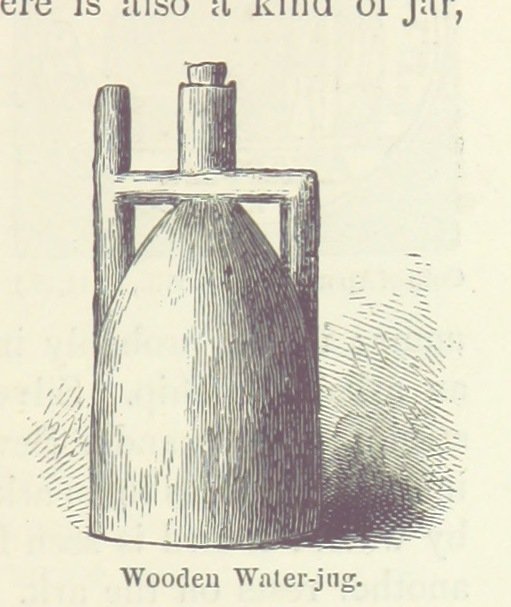
Gaytan making is a craft associated with producing gaytans: leather, wooden or metal jugs with handles, intended for storing and carrying liquids. This craft was important to the community because gaytans were widely used in everyday life and at various events. The Second Bulgarian Empire (1185–1396) was a period in which gaytan making developed actively. Gaytans played an important role in both rural and urban settings, where they were used to store water, wine, rakia and other liquids. Master gaytan makers were responsible for producing these vessels, which were an inseparable part of Bulgarian culture.
Gaytan making involved various stages of production, including selecting suitable materials and processing, assembling and decorating the gaytans. Craftsmen developed their skills and created unique, attractive designs that often reflected the characteristics of a particular region.
Gaytan making was passed down from generation to generation, helping preserve traditions in Bulgarian culture. Despite social change and technological progress, this craft continues to form part of Bulgarian heritage and remains an important aspect of Bulgarian identity.
Share:


