Tourism in Bulgaria

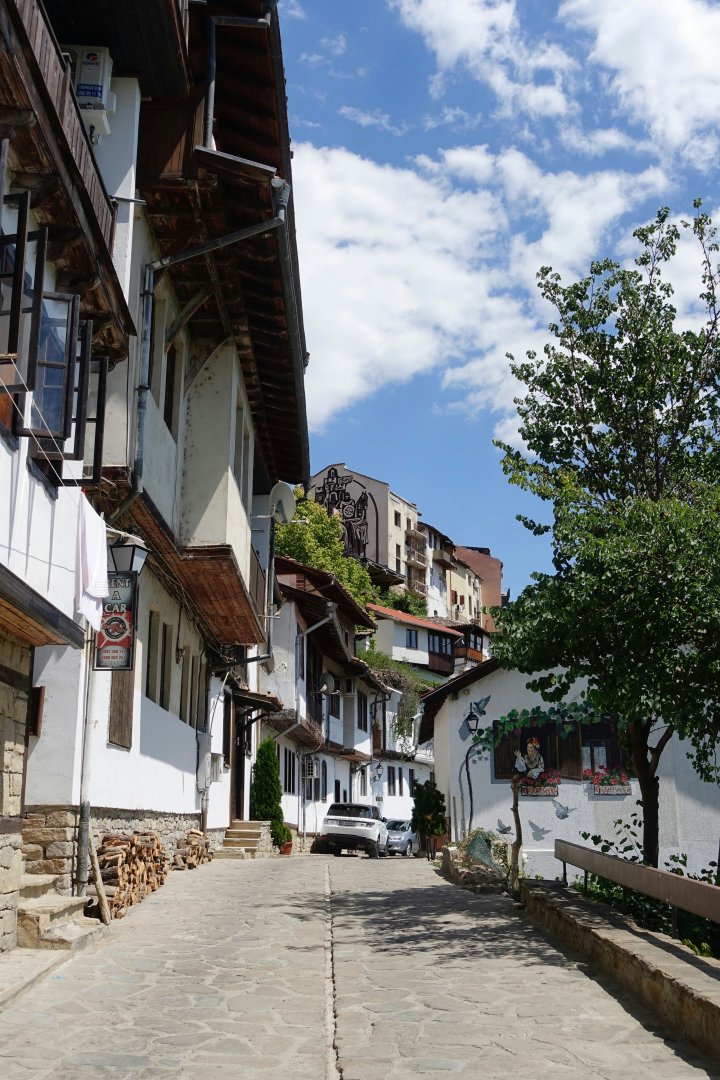
Tourism in Bulgaria
Tourism is of considerable importance to Bulgaria's economy and is one of its main sectors. Located at the crossroads between East and West, the country attracts tourists with its wealth of historical and natural sights. Over the millennia, Bulgaria has been home to various civilisations, including Thracians, Romans, Byzantines, Slavs, ancient Bulgarians and Ottomans.
The country offers an abundance of tourist attractions, including museums, monasteries and natural monuments, spread across a relatively small and accessible territory. The main tourist season encompasses ski resorts such as Borovets, Bansko and Pamporovo, as well as seaside destinations such as Sozopol, Nessebar, Golden Sands, Sunny Beach and Albena. The Balkan Mountains, Vitosha, Rila, Pirin and the Rhodope Mountains attract enthusiasts of alternative tourism and mountaineering.
In 2016, Bulgaria welcomed 10.6 million tourists, with visitors from Greece, Romania and Italy playing a key role, accounting for almost 38% of the total number of visits. In the same period, employment in the tourism sector was estimated at around 92,000 people, with around 338,000 indirectly employed. In addition to traditional forms of tourism, spa tourism is developing in Bulgaria, drawing on the mineral baths found in various regions of the country. In recent years, rural tourism has become particularly popular, along with other alternative forms of tourism.
Share:


